


Knee
Conditions
Dr. Stewart treats a full range of knee conditions — from meniscus tears and ligament injuries to advanced arthritis and joint replacement. Understanding your diagnosis is the first step toward the right treatment plan.
Knee symptoms
Knee conditions we treat
Explore each condition to learn about symptoms and related care. Similar symptoms can have different causes; an evaluation helps determine which treatment fits your diagnosis.
Use a condition name or a few words about your symptoms. Results are related topics, not a diagnosis.
10 conditions
No matching conditions. Try a shorter phrase, or clear your search to browse all conditions.
The leading reason for knee replacement surgery, osteoarthritis occurs when protective cartilage wears away and bones begin to rub against each other. Pain worsens progressively with activity, climbing stairs, and prolonged standing. Dr. Stewart uses Mako robotic-arm technology to perform partial and total knee replacements with personalized precision, based on a pre-operative CT scan of your specific anatomy.
The meniscus is a C-shaped cushion between the thigh and shin bones. Tears cause pain, swelling, catching, and locking. Can result from a sudden twist or gradual wear in older patients.
A tear of the anterior cruciate ligament, one of the four main knee ligaments. Often caused by sudden stopping, pivoting, or direct contact. Causes immediate pain, swelling, and a feeling that the knee gives way.
Inflammation of the tendon connecting the kneecap to the shinbone. Known as jumper's knee, it causes pain below the kneecap that worsens with running, jumping, and kneeling. Common in active and athletic patients.
The medial collateral ligament runs along the inside of the knee. Sprains or tears are often caused by a blow to the outside of the knee. Causes inner knee pain, swelling, and a sense of instability.
A fracture of the top surface of the shinbone, which forms the lower half of the knee joint. Often caused by high-energy trauma such as a car accident or fall. Causes significant pain, swelling, and inability to bear weight.
The kneecap slips out of its groove, usually to the outside of the knee. Causes sudden pain, swelling, and a visible deformity. Common in young active patients and may recur without treatment.
A tear of the tendon connecting the quadriceps muscle to the kneecap. A complete tear causes immediate inability to straighten the knee. More common in patients over 40 and often requires surgical repair for full recovery.
Knee replacements can fail due to wear, loosening, instability, or stiffness. Revision surgery is more complex than the original but can restore function and relieve pain when the primary implant is no longer performing.
Infection around a knee implant is a serious complication requiring urgent attention. Signs include increasing pain, warmth, swelling, drainage, and fever. Treatment typically involves surgery combined with targeted antibiotic therapy.
Common treatment options for knee conditions
Your diagnosis, joint health, and goals guide the choice of treatment. Options offered by Dr. Stewart include:
Physical therapy
Guided exercises to support knee strength and mobility.
Explore physical therapy →Corticosteroid injections
An option for temporary relief of joint inflammation and pain.
Explore injection options →PRP injections
Discuss whether platelet-rich plasma is appropriate for your knee condition.
Explore PRP options →Knee arthroscopy
A minimally invasive procedure for selected meniscus, cartilage, and joint problems.
Explore knee arthroscopy →Mako partial knee replacement
Replacement of a damaged compartment while preserving other healthy parts of the knee.
Explore partial replacement →Mako total knee replacement
A replacement option for advanced arthritis affecting the full knee joint.
Explore total replacement →
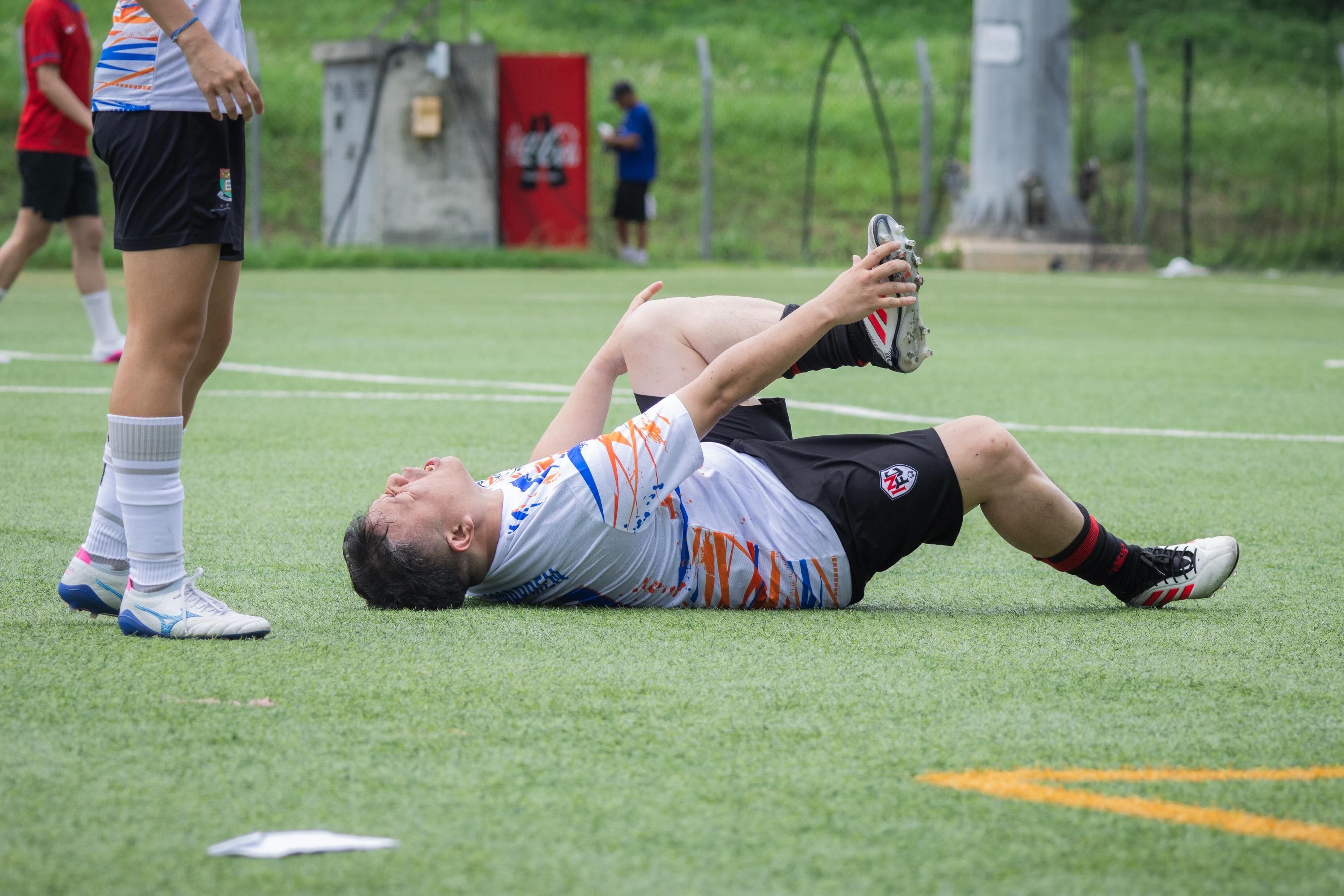
Finding the right care for your knee
Dr. Stewart reviews your symptoms, imaging, health history, and goals before recommending a treatment plan.
Bring information about previous imaging and treatments, and describe which activities are difficult. Use your visit to ask about care without surgery, whether a procedure is appropriate, and what recovery may involve.
Compare all treatment options →Common knee questions
What is knee replacement?
Knee replacement removes damaged or arthritic portions of the knee and replaces them with prosthetic components designed to move like a healthy joint and reduce pain during everyday activity.
How bad does joint pain need to be before considering replacement?
This is a personal decision made with an orthopedic evaluation. Joint replacement may be discussed when pain is persistent, function is limited, muscles are weakening from avoiding activity, and conservative options no longer provide enough relief.
What should I know about recovery in the hospital?
Facility stay varies by insurance coverage, medical status, and surgical setting. Cedar Crest Surgery Center is outpatient and same-day, while OakLeaf Surgical Hospital is an overnight stay setting. After knee replacement, patients begin walking with a walker within hours and work with physical therapy before discharge. Most go home when they have adequate support, while some use a short rehabilitation stay.
Take the next step for your knee pain.
Schedule an evaluation with Dr. Stewart and his orthopedic team to better understand your diagnosis and next steps.
